Learning Boundaries Without Losing Softness

For most of my life, boundaries felt like something other people were allowed to have.

I learned early that being open, accommodating, and emotionally available kept the peace. It kept things moving. It kept me useful. What I didn’t learn was how to keep myself intact.

I mistook access for connection.

I mistook explaining for safety.

I mistook endurance for love.

Lately, that has been changing.

I’m learning that boundaries are not walls. They’re climate control.

They don’t shut warmth out. They regulate how much heat I can hold without burning out.

The most surprising part has been how quiet healthy boundaries are. There’s no grand announcement. No justification tour. No dramatic line in the sand. Just a calm internal decision followed by consistent action.

I don’t explain as much anymore.

I don’t rush to fill silence.

I don’t absorb discomfort that doesn’t belong to me.

This isn’t hardness. It’s precision.

What I’m practicing now is something gentler and far more powerful:

responding instead of reacting, choosing privacy without secrecy, and letting people experience my limits without rescuing them from their feelings about it.

Some relationships feel different when you stop over-functioning. Some people notice the shift immediately. Others only sense that something familiar is gone. That part used to scare me.

Now I see it as information.

Boundaries are not a rejection of closeness. They are an invitation to meet me where I actually am, not where I was trained to stand.

I am still warm.

I am still kind.

I am simply no longer porous.

And in that steadiness, something unexpected has happened:

I feel safer inside myself than I ever have.

That, too, is warmth.
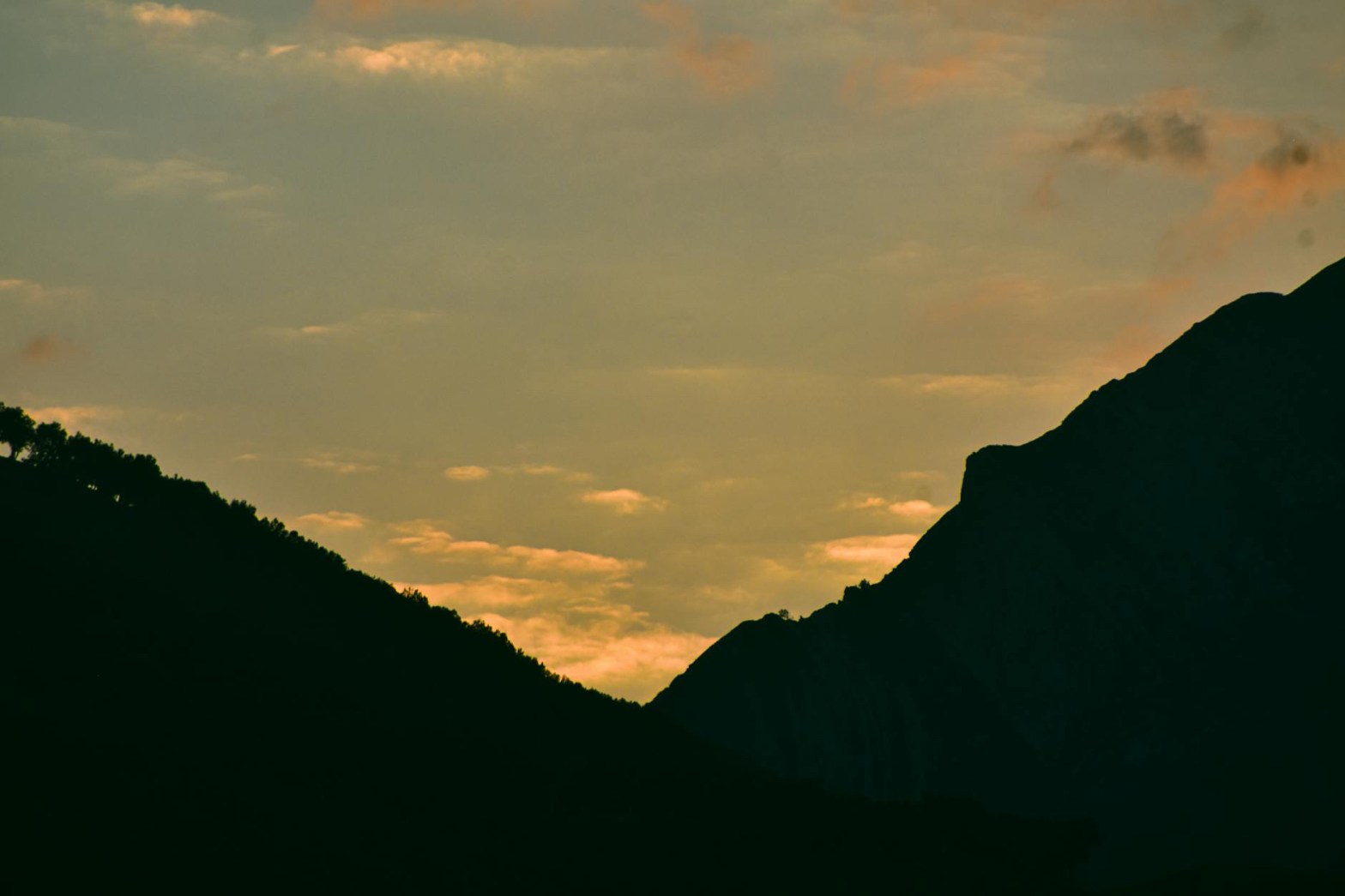
The Long Rise

In the steep

I find myself pressed—

breath caught between gravity

and the pull of becoming.

The climb is not gentle.

The stones cut,

the air thins,

the path narrows.

But in the steep

I learn my balance.

My hands remember strength.

My heart remembers rhythm.

And when I reach

where the ground opens,

I will not say the mountain broke me.

I will say the steep

shaped me.

Author’s Note:

A poem about the climb — the weight, the balance, and the becoming that only struggle can shape.

The Art of Coming Back to What Matters

I used to think focus meant bulldozing through every task like a machine—no breaks, no detours, no wandering thoughts.

If my mind drifted, I’d scold myself like I’d broken some invisible productivity law.

But here’s what I’ve learned:

Focus isn’t about staying on all the time. It’s about learning how to come back.

Lately, I’ve noticed something I’ve never been good at before—getting back on track after a distraction. It used to take me hours (sometimes days) to refocus after I fell down a mental rabbit hole. Now? I let the tangents flow. I don’t resist them, I just make sure they eventually circle back to what matters.

That’s the trick.

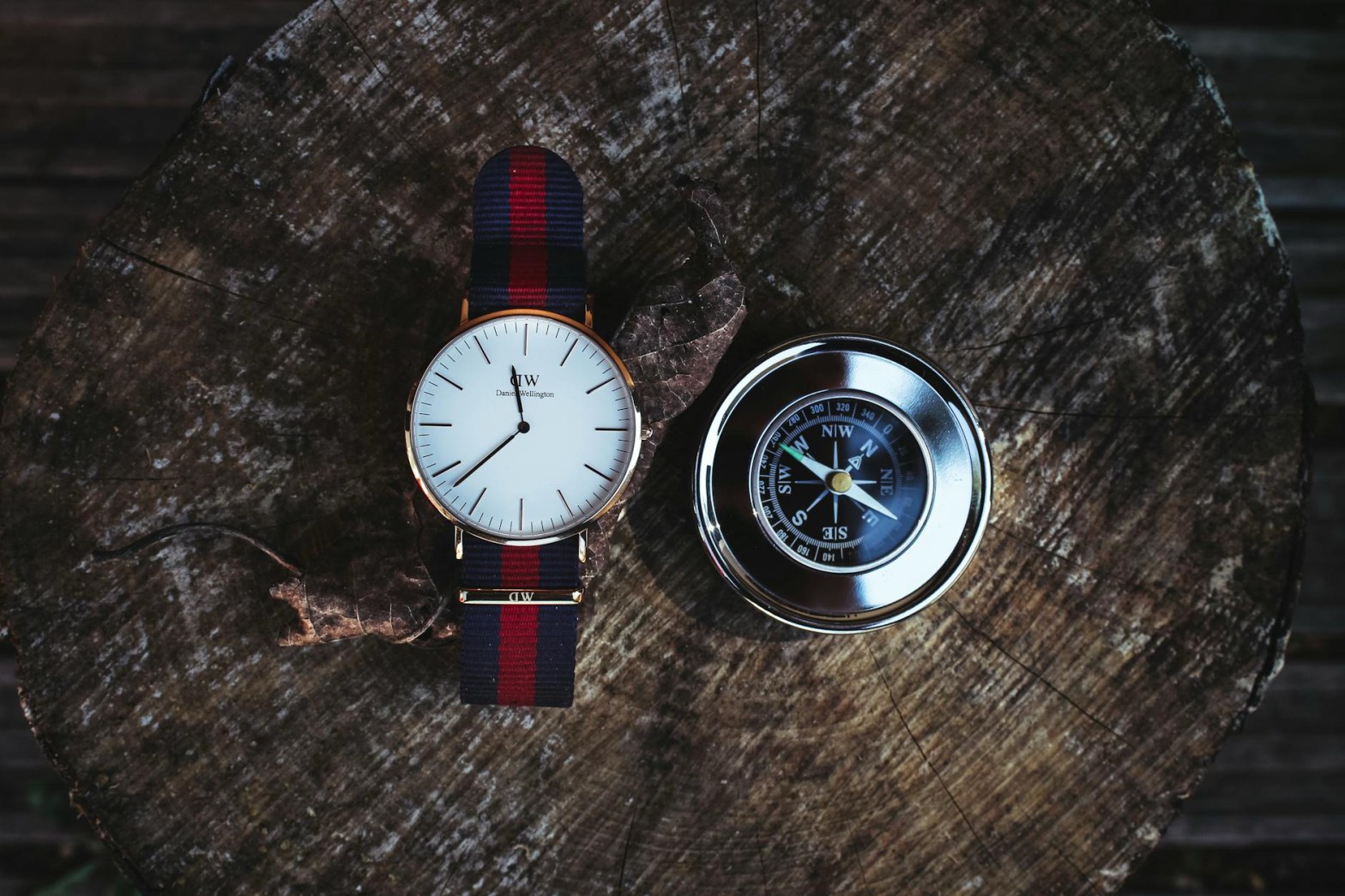
It’s like following side roads that still lead home. You explore, you detour, but the compass doesn’t change.

And somewhere along the way, I stopped calling it “losing focus.” I started calling it recalibrating. Because sometimes those detours aren’t mistakes—they’re how we process, how we recharge, how we create.

The difference now is simple: I don’t get stuck there.

I let curiosity take a stroll, then I call it back when it’s time to work, love, plan, or create.

Maybe that’s the real art of focus—not staying laser-sharp, but remembering where the laser’s pointed.

So here’s to the wanderers who always find their way home.

Here’s to flow, not drift.

Here’s to coming back to what matters.

A Season for Collective Care

There are seasons when the world feels louder than usual — busier, heavier, more demanding than any one person should have to carry alone. This time of year tends to do that. Expectations rise, emotions stir, memories surface, and the pressure to “hold it all together” creeps in quietly.

But this season isn’t meant to be carried by one person’s strength.
It’s meant to be held collectively — gently, intentionally, without assumption.

Collective care looks different for everyone.
Sometimes it’s a meal dropped off without a long conversation.
Sometimes it’s a quiet check-in text that lands at the right moment.
Sometimes it’s offering a ride, sharing time, or simply sitting with someone who needs company more than solutions.

And sometimes, collective care is the courage to say, “I could use some help,” and letting the people around you show up in their own ways.

This time of year, we tend to pour outward — gifts, energy, effort, emotional labour. But care isn’t meant to be a one-way offering. It’s a circle. A rhythm. A recognition that nobody is meant to walk through hard or heavy seasons alone.

For me, this season has become a reminder to soften my grip.
To let myself be held as much as I hold others.
To receive kindness without brushing it off.
To acknowledge that strength doesn’t always mean doing everything yourself.

Collective care isn’t grand.
It isn’t dramatic.
It’s steady.
It’s shared.
It’s human.

And it’s one of the few things that makes this season feel lighter, warmer, and beautifully connected — even in the moments when life feels stretched thin.

Work That Doesn’t Take From You

here’s a kind of work that drains you —
takes your energy, your confidence, your joy —
piece by piece, until you barely recognize yourself in the mirror.

And then there’s the work that doesn’t take from you.
The work that lets you show up exactly as you are.
The work that asks for effort, not pieces of your soul.

I didn’t realize how heavy my previous working chapters were until I stepped into something lighter — something that didn’t demand emotional acrobatics or apologies or constant overperformance. Work that didn’t require shrinking or contorting or proving. Work where doing the job well was enough.

There’s a relief in that.
A softness.
A sense of returning to yourself.

This season of my life has given me work that fits the version of me I’m growing into — steady, capable, quietly rebuilding. There are still early mornings and long drives and occasional chaos, of course. But at the end of the day, I still feel like me.

Not wrung out.
Not dismissed.
Not erased.

Just… me.

Work that doesn’t take from you gives you room to heal.
Room to breathe.
Room to imagine a future again.

It lets you save your energy for what matters —
your health, your family, your goals, your growth.
It allows you to be proud of what you do without letting your job define you.

It’s the kind of work that supports your next chapter instead of delaying it.
And after everything I’ve come from, that kind of work feels like a small miracle.

Not glamorous.
Not perfect.
But steady.
Healthy.
Honest.

Work that doesn’t take from you gives you the strength to keep becoming.
And that, more than anything, is the kind of work I deserve now.

What I See in Her

When I look at my daughter, I see a woman who carries storms no one else can see — and still finds a way to rise. She has a gentle heart she tries to hide behind toughness, as if softness is something she needs to protect instead of something that makes her extraordinary. She thinks she’s hardened by life, but I know better. Underneath that armor is a tenderness most people never earn the right to see.

Her humour is sharp and dry, perfectly timed without effort. She’s never been the “tell a joke” type. Her wit isn’t a performance — it’s insight. It’s the kind of humour shaped by the home she grew up in: quick, knowing, a little sarcastic, and full of life.

She has done more with less.
She has climbed mountains with emotional weights tied to her ankles.
She lives with anxiety that steals her breath, and a self-image that lies to her — yet she still keeps moving.

That is her quiet miracle.
That is her strength.
That is her power.

She gets up and moves mountains because they need to be moved — not because she feels brave, but because she refuses to let the world win.

And there’s a part of our story I’ve never said out loud, but it lives between us:

I had her young.
I was still carrying my own scars, still battling demons I hadn’t yet named.
But the moment I learned I was going to have her, something shifted in me.

I knew I had to clear the way.
I knew her life could not be shaped by the pain I came from.
Whatever generational trauma I carried, she was going to feel less of it — not more.
And any healing I hadn’t done yet, I would do because of her.

Not to make her responsible.
Not to put weight on her shoulders.
But because she deserved the strongest, healthiest version of me.
She and her brother became my anchor — not to hold me down, but to hold me steady.
To remind me of who I needed to be, and who I refused to remain.

She has been burnt by love, marked by moments she never deserved, but she is still a believer. Even when she rolls her eyes at romance, she’s a believer. And when she found the person meant for her, it showed — not just in the relationship, but in how she softened, how she let herself be loved without flinching.

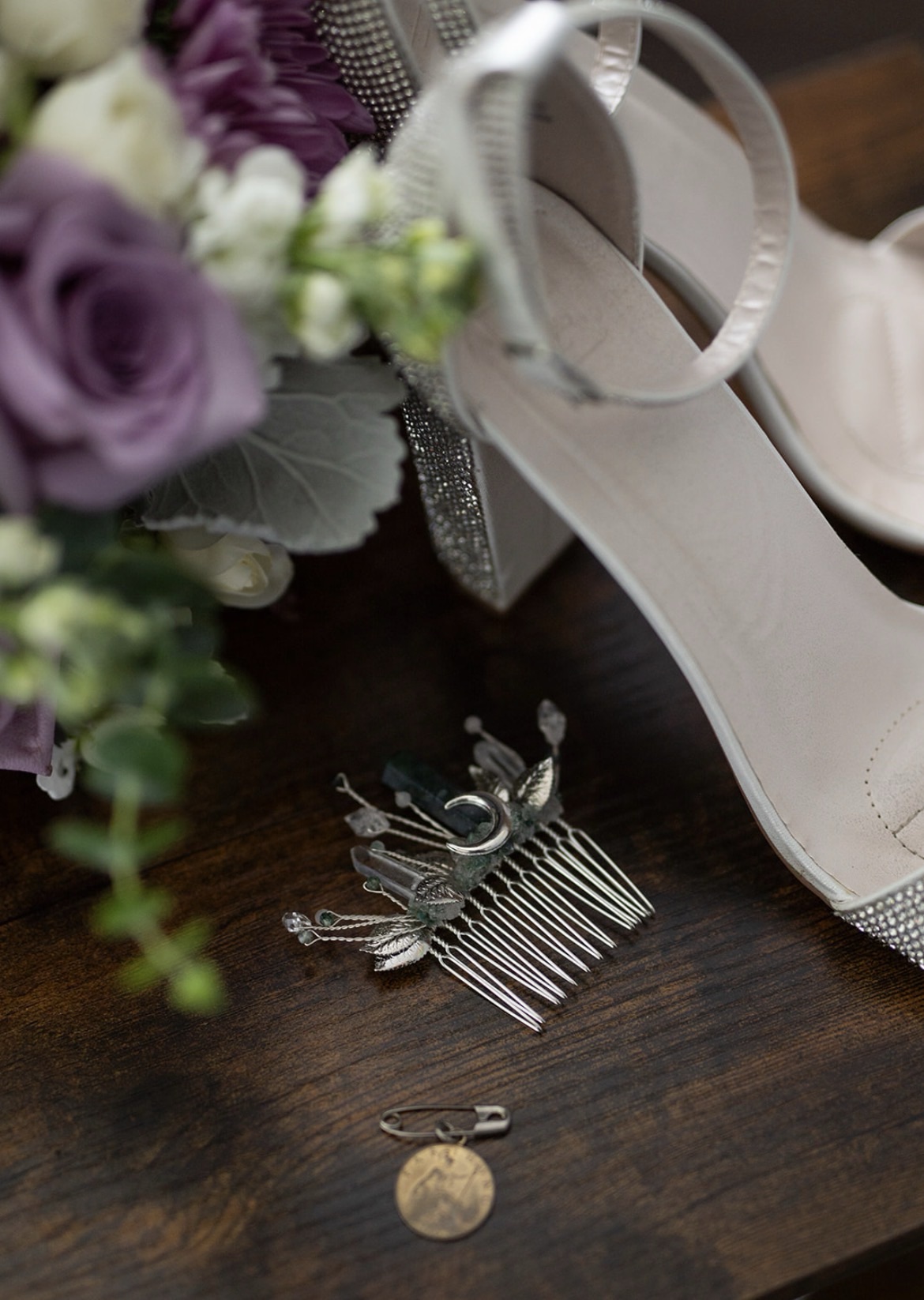
Her wedding this spring…
That was my moment.
She was breathtaking — not just in how she looked, but in how she lived that day.
Happy.
Present.
Surrounded by love she helped cultivate.
She fit into every moment like she was made for it.

I argue with her more than anyone else.
We flare, we snap, we clash — two strong women with too much fire to hold in.
But no one makes up more quickly than we do either.
That’s what closeness looks like when it’s real: no masks, no games, no distance.

She is, in so many ways, who I wish I could have been.
Her courage.
Her clarity.
Her dedication.
Her willingness to heal.
Her ambition, even when she doubts herself.
Her incredible ability to keep moving through storms and still see the possibility of sunlight.

If I had to choose one word for her —
just one —

it would be incredible.

Because she is.
In every sense.
In every season.
In every version of herself she grows into next.

This is what I see in her.
And I am proud beyond measure.

Rituals That Anchor Us

Life moves quickly. Some days, it feels as though we are carried by the current, pulled into tasks and conversations before we’ve had a chance to catch our breath. That’s why rituals matter.

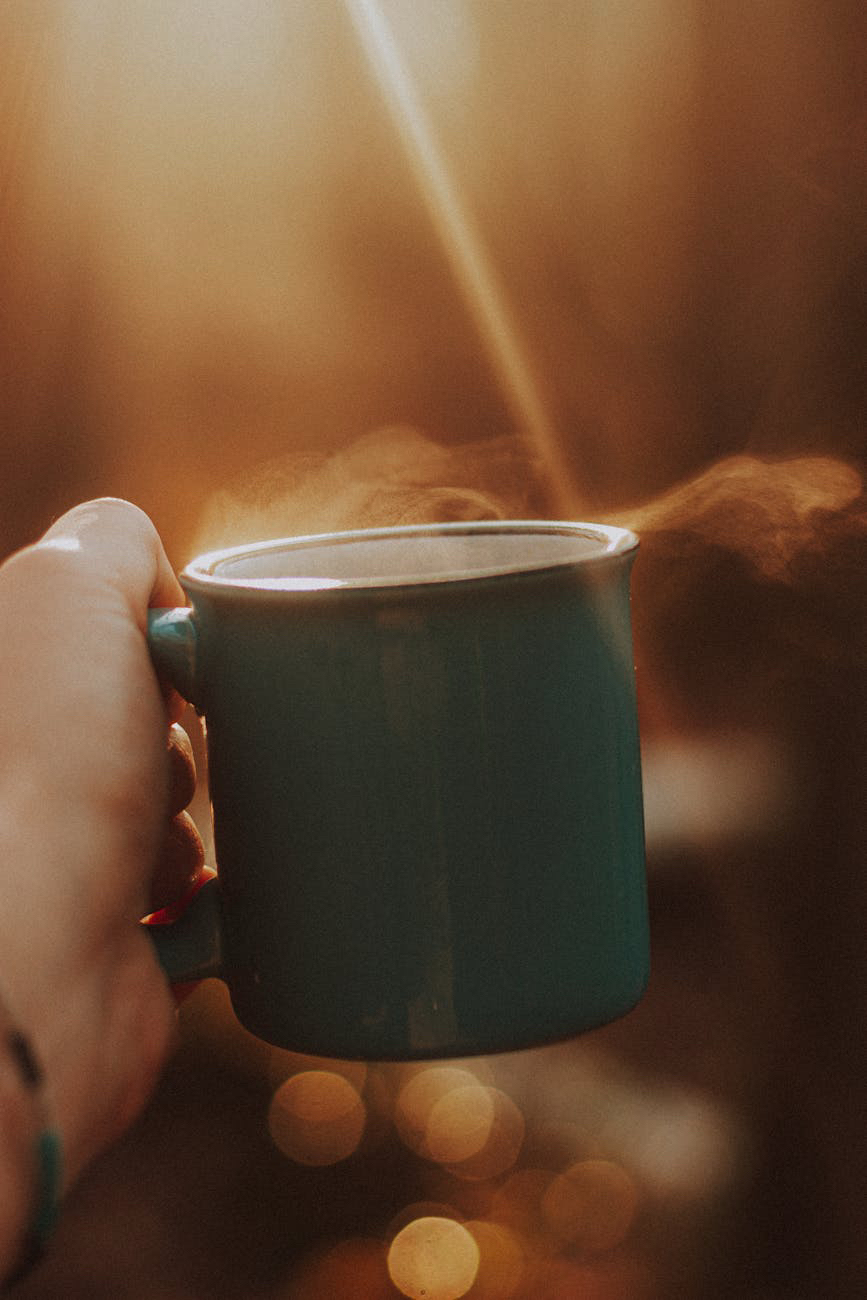
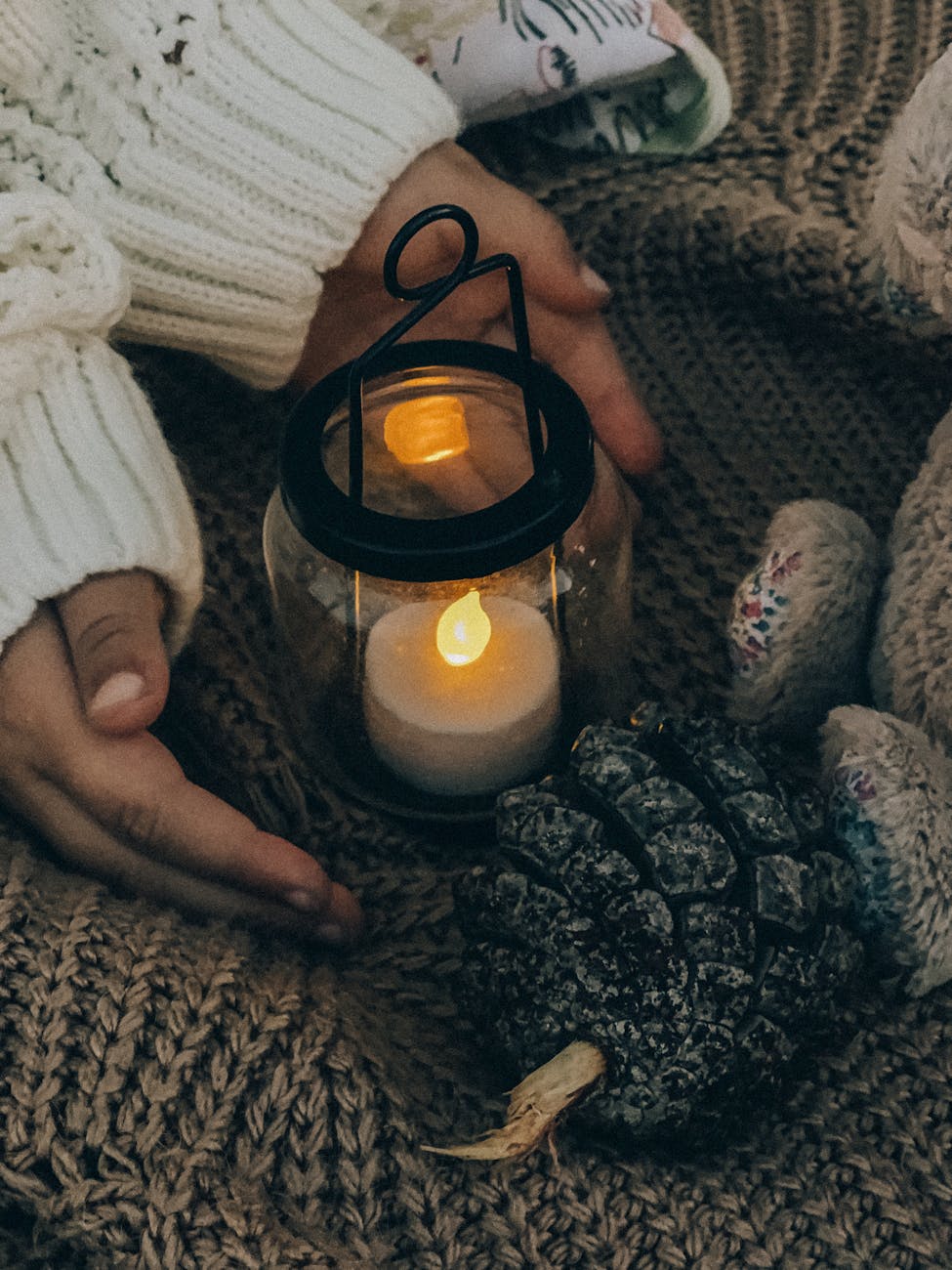
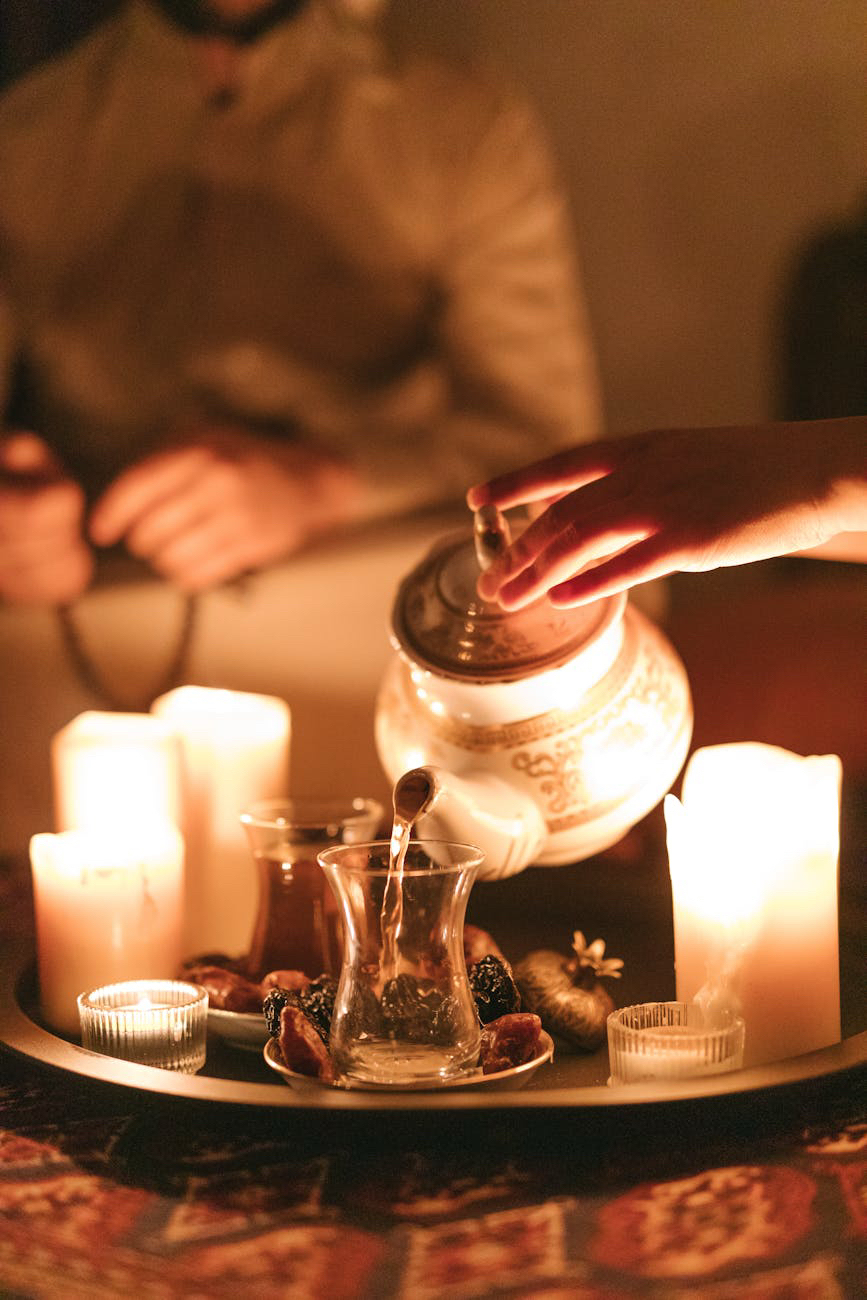
Rituals aren’t about perfection. They’re about presence. A candle lit before bed. A notebook opened before the day begins. A teacup warmed before water touches the leaves. These simple acts remind us that life can be lived with intention, not only reaction.

When the world feels uncertain, rituals anchor us. They say: here is something I can return to, no matter what else shifts. Here is a moment that belongs to me.

And in the anchoring, there is strength. Because when we choose to ground ourselves — in tea, in writing, in prayer, in quiet — we discover we are steadier than we knew.

The First Sip of Morning

There’s something unrepeatable about the first sip of morning tea.

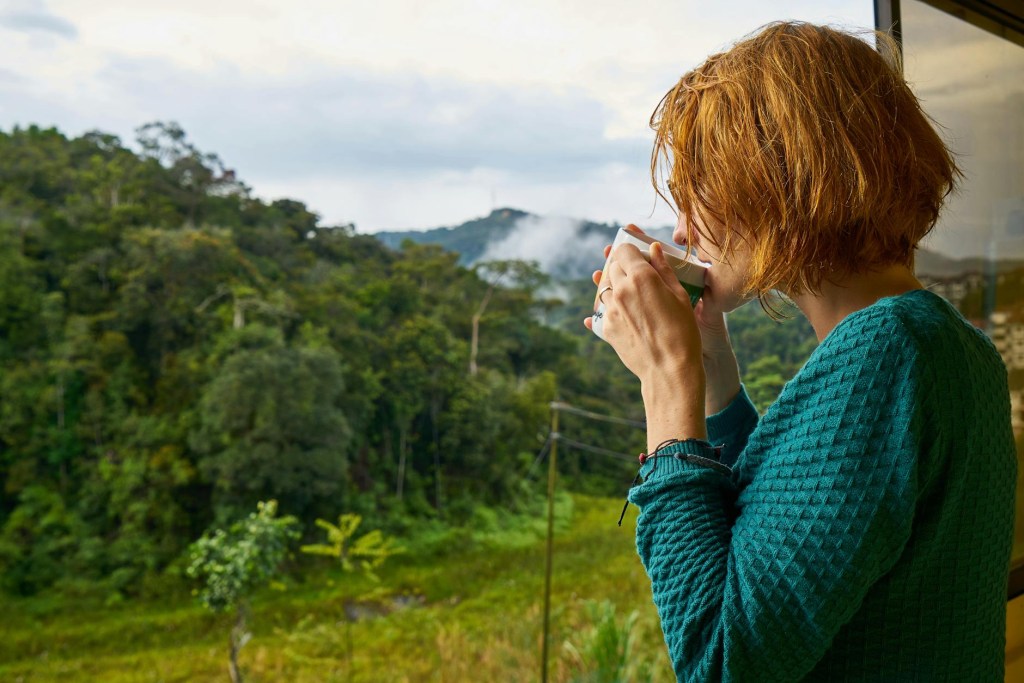
It isn’t only about the taste — though that soft warmth rolling across your tongue has its own comfort. It’s the pause before the day asks anything of you. The quiet reminder that you are still here, still steady, still allowed to begin again.

We often wake already running — lists forming in our minds, worries pressing in before our feet touch the floor. But tea slows the world for a moment. The kettle hums, the steam curls, and there is a choice: to rush, or to receive.

That first sip says: you don’t have to be ready for everything at once. You only have to be here, in this moment, tasting the promise of a fresh start.

And it’s a ritual worth keeping. Because even if the day brings chaos, that sip holds a piece of peace you can return to — warmth in the midst of whatever else comes.

The Chance Encounter That Pulled Me Back

It happened in the middle of an ordinary day — one of those unexpected intersections life throws at you when you’re finally ready for something different but not sure what direction it will take.

I bumped into someone I used to work with.

Someone who remembered me not for the struggle of my last chapter,

but for the years when I was steady, reliable, capable, thriving.

Before I could even fully explain where life had taken me, they were already smiling, already warm, already pulling me back into an orbit I had genuinely enjoyed once.

They remembered my work.

They remembered my energy.

They remembered me — the real version, not the version shaped by the weight of the months before I left my last job.

We talked for ten minutes, but the impact lasted far longer.

Because the next message from them wasn’t small talk —

it was a recommendation.

A reference.

A door gently opening.

And then, unexpectedly: an offer.

Not a grand, life-changing contract — but something real, something honest, something with possibility. A small contract that could grow into more. A place to stand while my footing returned. A reminder that I hadn’t lost anything essential — it had all been waiting for me to come back to myself.

What struck me most wasn’t the offer.

It was that my reputation had travelled farther than I had.

People had held onto the truth of who I was long after I’d forgotten it.

They carried a version of me that was accurate when I couldn’t see it clearly.

This wasn’t a “comeback story.”

It was a confirmation story.

A reminder that good work leaves echoes.

That kindness leaves trails.

That the right people remember your real character — and say your name even when you’re not in the room.

And sometimes, all it takes is one chance encounter to turn a quiet need into a new beginning.