
Support doesn’t always collapse in grand, dramatic ways. More often, it falters in the smallest of moments — the overlooked text, the silence where comfort should have been, the absence when presence mattered most.
These moments may seem minor on the surface, but when they collect, they leave weight. It’s not the lack of love or even the lack of effort that stings, but the failure to notice. The failure to hold space. The failure to stand steady when the world tilts.
Support is not only about showing up during the crises. It’s about the everyday gestures — the listening ear after a long shift, the encouragement when doubt sneaks in, the hand reaching for yours before you even ask. When those gestures are missing, even unintentionally, the gap feels cavernous.
And yet, there is a strange gift hidden in these gaps. They sharpen our awareness of what we truly need. They teach us to voice our boundaries, to lean on ourselves, to build communities of support that don’t crack in those small, critical moments.
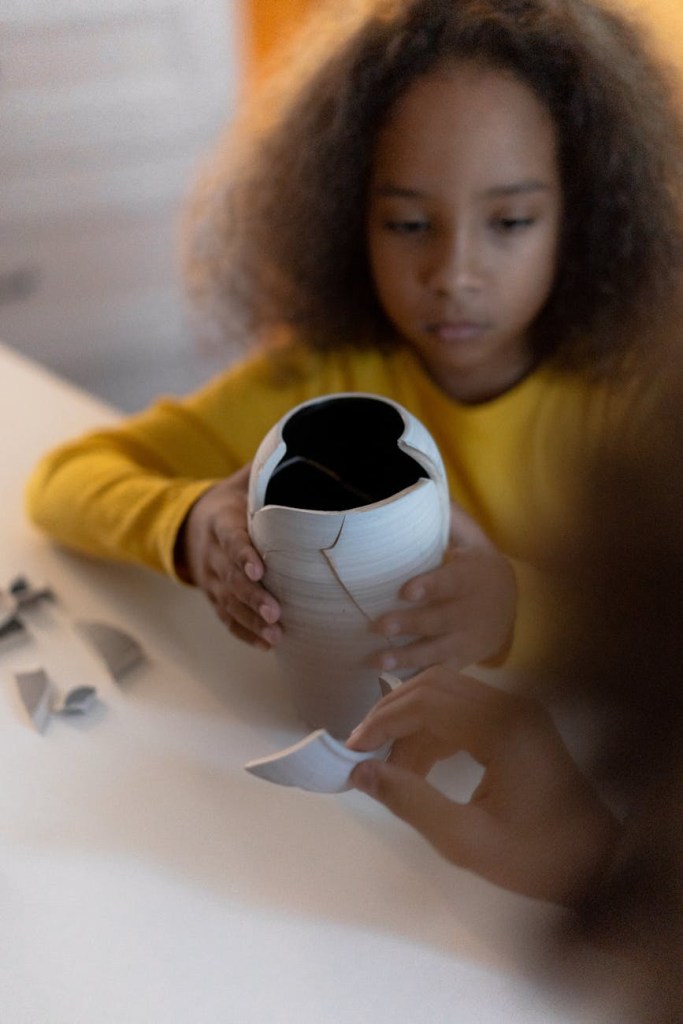
Support, in its truest form, is quiet consistency. It is not always loud or heroic. It is the warmth in the midst of change, the presence in the midst of uncertainty, the reassurance in the midst of silence.
So when support fails at the smallest moments, the question becomes: how will we rebuild it — for ourselves, and for each other?

 Warmth in the midst